
Population and artistic genius
It's getting better all the time?

In the Eschaton blog Atrios brings me this from Samuel Bankman-Fried, as quoted by Michael Lewis in Going Infinite:
I could go on and on about the failings of Shakespeare … but really I shouldn’t need to: the Bayesian priors are pretty damning. About half the people born since 1600 have been born in the last 100 years, but it gets much worse than that. When Shakespeare wrote almost all Europeans were busy farming, and very few people attended university; few people were even literate - probably as low as ten million people. By contrast there are now upwards of a billion literate people in the Western sphere. What are the odds that the greatest writer would have been born in 1564? The Bayesian priors aren’t very favorable.
Well, what are the odds we would use the theorem of a mathematician born in 1702 as our analytical basis?
But the quote brought to mind this, very similar statement, from the like-minded Will MacAskill in his What We Owe the Future:
Because art is so subjective, it is nigh-on impossible to assess trends in artistic accomplishment, but one often neglected factor is that, because of our sheer numbers, the artistic output of our species has increased dramatically: a higher population means more artists. And the artistic capacity of the population has, in some respects, greatly increased because of rising literacy and rising wealth: a more literate population has more writers, and the fewer people there are in dire poverty, the more artists there will be. In light of these considerations, it is likely that art has progressively reached new heights over time and will continue to do so at least for the next hundred years. The same applies to other non-wellbeing goods. The more people there are and the higher living standards there are, the more likely it is that there will be individuals, like Usain Bolt, Margaret Atwood, or Maryam Mirzakhani, who go on to achieve great things.
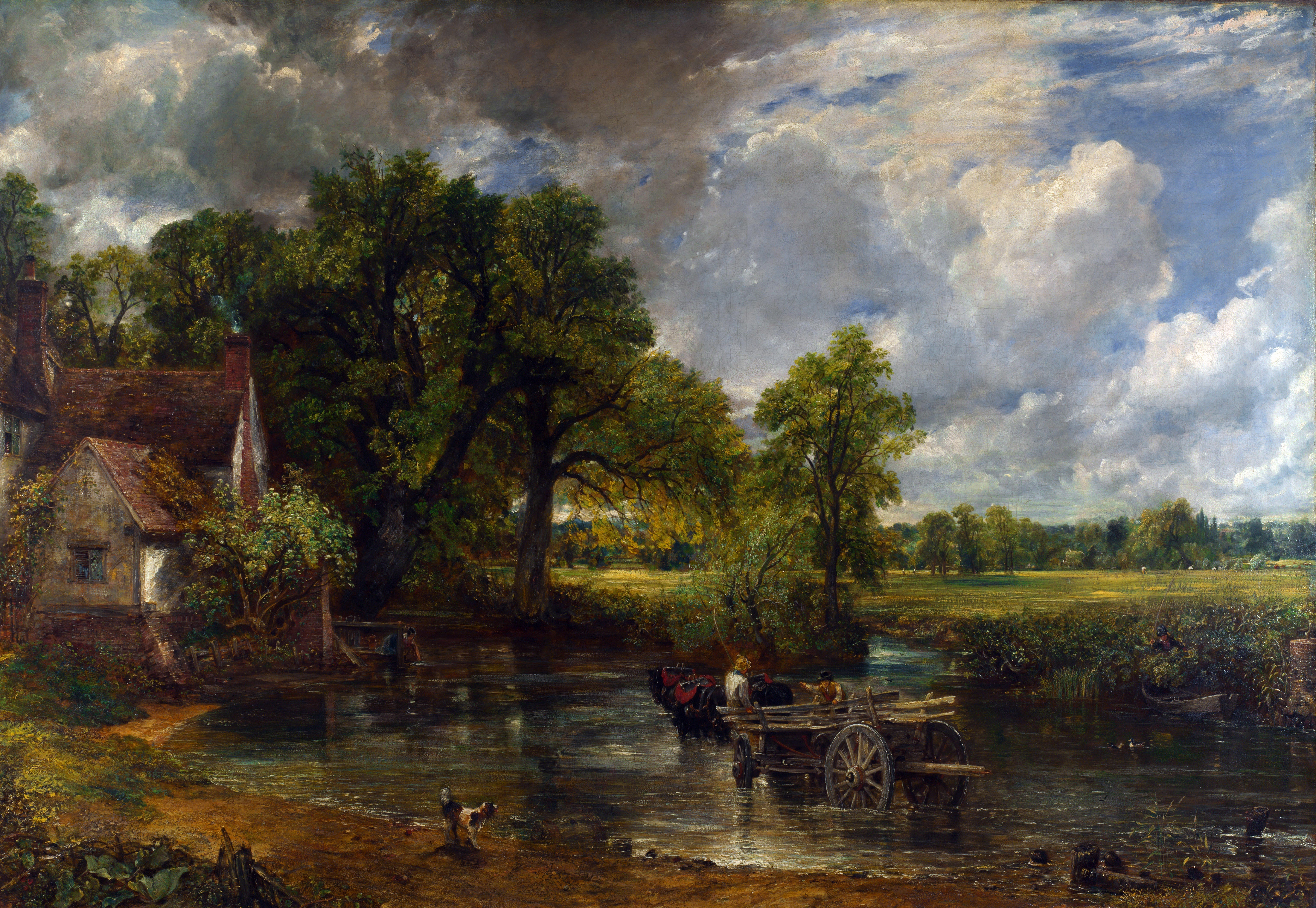
But neither of these men seem willing, or able, to take the next step: where is their evidence that “art has progressively reached new heights over time”? Where are our Beethoven’s, our Wordsworth’s, our Constable’s? We must be surrounded by now by hundreds of thousands of mute inglorious Milton’s. MacAskill and Bankman-Fried seem to see progress in literature as we would see it in athletics or mathematics, some combination of standing on the shoulders of giants and the far right-hand tail of the “genius distribution”. But when have the arts, or “artistic capacity”, ever been like that?
The observation about SBF relying on Bayes born in 1702 to debunk Shakespeare made me smile.
It's because they believe in a particular ideology of greatness, that it is some ontological thing, that there are great people and great ideas and great achievements for really real. The reason, of course, is that they think they are among the elect. It's Uncle Andrew in C.S. Lewis' The Magician's Nephew:
"But of course you must understand that rules of that sort, however excellent they may be for little boys—and servants—and women—and even people in general, can’t possibly be expected to apply to profound students and great thinkers and sages. No, Digory. Men like me, who possess hidden wisdom, are freed from common rules just as we are cut off from common pleasures. Ours, my boy, is a high and lonely destiny.”
Since their reasoning on this is completely self-absorbed, they can hardly be expected to take their effective altruism reasoning seriously and think "Since we are on a planet of so many billions, there must be so many Shakespeares now amongst us". That feels a bit too much like democracy or something icky like that. More, I suspect, they think that they personally represent some sort of heretofore unknown god-tier greatness--that perhaps there are so many more Shakespeares, but there has never been anybody so great as themselves, or so very few. A Napoleon or two before, and only a few more now. It's warmed-over Carlyle.